



|
||||||||||||||||||||||||||
The Women's CenterDiagnostic Centers of America is dedicated to providing the most compassionate care, comfortable environment, professional staff and the most medically advanced mammogram in South Florida.
|
| Dr. Simone Kahn Griff | Fellowship trained in Women's Imaging |
| Dr. Nina Luxenberg | Fellowship trained in Oncologic, Breast and Body Imaging |
| Dr. Ravinder Mahal Medical Director |
Fellowship trained in Women's Imaging |
| Dr. Lawrence Oliver | Fellowship trained in Women's Imaging |
| Dr. Matthew Saady | Fellowship trained in Women's Imaging |
| Dr. Kathy Schilling | Specialized in Women's Imaging, Fellowship trained in Body Imaging (MRI,CT, Ultrasound) |
| Dr. Juliette The | Fellowship trained in Women's Imaging |
| Dr. Vicky Velasquez | Fellowship trained in Thoracic and Breast Imaging |
| Dr. Surya Vaidyanathan | Fellowship trained in Women’s Imaging |
Women's Services
Click the link to learn more about the service offered
- Digital Mammography
- Breast Ultrasound
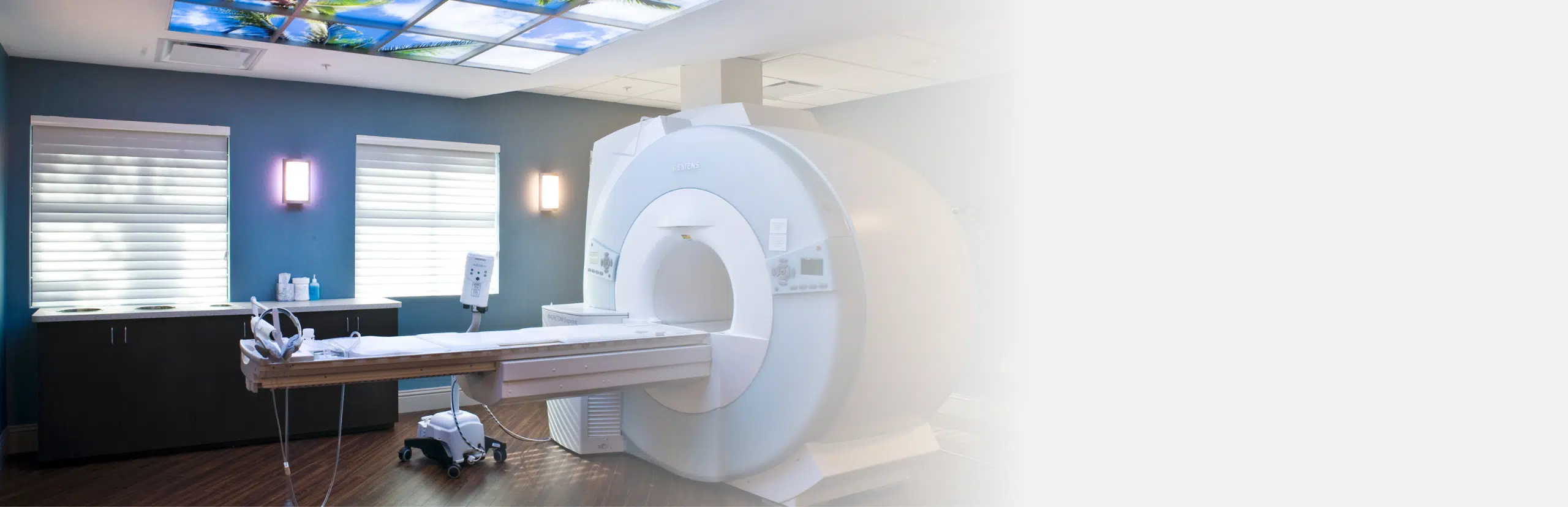
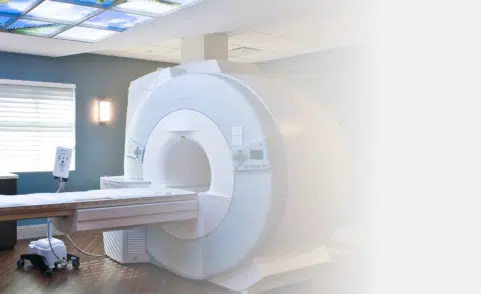
- Breast MRI (3T Open and 1.5T Open & Closed)
- OBGYN Ultrasound
- Bone Density (Osteoporosis Screening)

The Importance of performing a Breast Self Exam
A regular self breast exam allows a women to become familiar with how her breasts normally look and feel. It can help her more readily detect any changes that may occur. Many women naturally have some lumpiness and differenced between the right and left breast. The key to the breast self-exam is to learn how to find changes in the breasts that persist over time.
While most women are aware of monthly breast self exams, many still do not know how to perform it properly. Performing a BSE incorrectly can be almost as bad as not doing the exam at all since it can give women a false sence of security. Please discuss any questions you may have about BSE techniques with your physician.

Warning signs to watch for during a Breast Self Exam
- Any new lump or hard knot found in the breast or armpit
- Any changes in the size, shape or symmetry of both breast
- Any dimpling, puckering or indention in the breast
- Dimpling, skin irritation or other change in the breast skin or nipple
- Nipple tenderness or pain
If any of these changes or other abnormalities are found, you should see your physician as soon as possible for clinical evaluation. However, it is important to note that in the majority of cases (80%) , breast lumps and changes are not cancerous. Therefore, women should not allow their fear of breast cancer to keep them form visiting their physician if any lump or change is found.

The best time to perform a Breast Self Exam
A menstruating women may have hormonal changes due to the menstrual cycle, which may make the breasts feel more lumpy or swollen. Women who are menstruating should perform a breast self exam a few days after menstruation has ended, usually when the breasts are usually less tender or swollen.
A breast self exam should be performed once a month beginning at age twenty and continue each month throughout a women's lifetime.
A non menstruating women should perform their BSE on the same day of every month.

How to perform a Breast Self Exam
Instructions
![]() |
1:Lie down with a folded towel under the right shoulder and place the right arm behind the head |
![]() |
2:Check the entire breast armpit area using the pads of the first three middle fingers to feel for lumps, and changes. Apply a light, medium, and deep pressure. The exam should then be repeated on the other side. |
![]() |
3:Move around the breast in an up and down pattern starting at an imaginary line drawn down your side from the underarm and moving across the breast to the middle of the chest bone. |
![]() |
4:Examine each underarm while sitting up or standing and with your arm slightly raised so you can feel in this area. Raising your arm straight up tightens the tissue in this area and makes it very difficult to examine. |